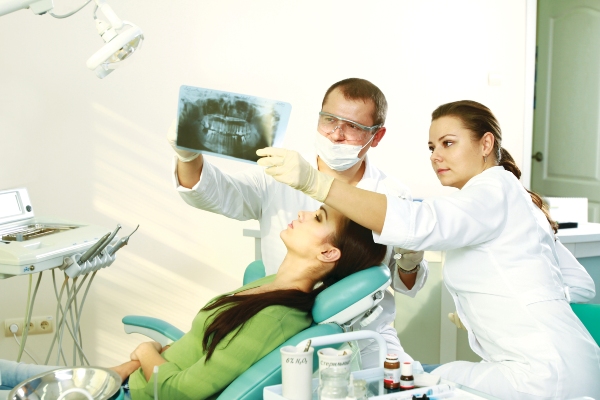
Caring for Common Treatments from a Cosmetic Dentist
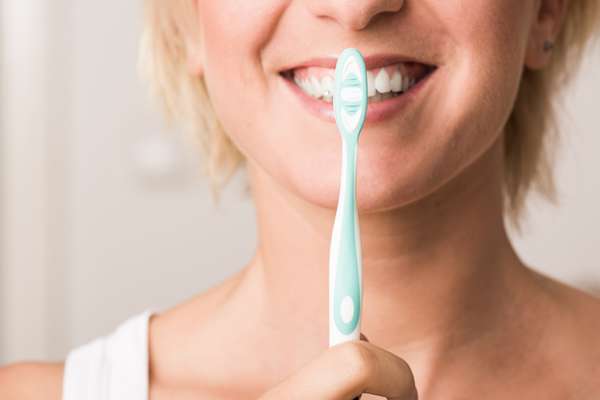 Though the work of a cosmetic dentist, individuals have the opportunity to transform a smile, repair broken or cracked teeth, and restore oral health. Whether it is a treatment to whiten the teeth or the attachment of a dental crown, cosmetic dentistry provides long-term solutions for patients who deal with poor function, discomfort, and low confidence because of their teeth. After the cosmetic work is completed, it is important to take care of the results.
Options for treatment
There are a number of treatments a cosmetic dentist can provide, ranging from replacing missing teeth to restoring damaged teeth. Poor oral hygiene is often a leading factor in damaged or decayed teeth, with the extent of the condition deciding what options are available for repair or replacement.
4 recommendations for caring for treatments
During an appointment where cosmetic work is completed, the dentist typically provides specific instructions for post-procedure care. These could include refraining from brushing near an incision site or treated area, avoiding smoking or using a straw for a few days following the procedure, and carefully choosing foods and beverages until healing has occurred. Here are another four ways to provide long-term care for the end result of the treatment.
1. Rinse the mouth immediately after eating or drinking
Beverages like coffee, tea, or wine or dark-colored foods can stain the teeth. It may not always be possible to brush right after eating or drinking, but rinsing the mouth thoroughly can still be helpful in removing pigment off the teeth. Carrying a travel-sized bottle of mouthwash in the car or in a purse or keeping a bottle in a desk drawer helps remove both stain and bacteria from the mouth. Plain water can also be used.
2. Chew hard foods carefully with crowns, veneers, or bonded teeth
Though cosmetic treatments are durable, too much force upon crowns, bonded teeth, or veneers can cause damage. Take cation when chewing foods like ice cubes or almonds and attempt to disperse the pressure onto several teeth. Never use teeth as a tool to open a bag or a package, and do not chew on things like pens or pencils with restored teeth.
3. Wear a nightguard
Patients who have a habit of grinding or clenching their teeth may want to consider investing in a nightguard to protect a cosmetic restoration. While there are generic sizes, such as the ones athletes use, a custom-fit nightguard is typically more comfortable and effective against damaging or cracking veneers or crowns.
4. Consider touch-up products
Teeth whitening and other procedures can be maintained through the use of a whitening toothpaste that is nonabrasive. Avoid using products that contain baking soda, as the compounds are highly abrasive and can eat away at bonded teeth or veneers. Maintaining the recommended twice a day brushing and flossing routine can keep treatments looking great for years to come.
Conclusion
Good dental hygiene is recommended when taking care of treatments done by a cosmetic dentist. Pay attention to all instructions given by the provider and keep follow-up appointments to ensure things are going well.
Request an appointment or call Miami Implant & Family Dentists at 305-230-4040 for an appointment in our Miami office.
Recent Posts
Many people want to spot problems early so cavity treatment can stay simple, comfortable, and affordable. Tooth decay starts when mouth bacteria feed on sugars and make acids that soften the hard enamel layer. Over time, those acids can erode enamel and reach into the softer tooth layers beneath. Acting early prevents long-lasting tooth pain…
A cosmetic dentist is essential not only in improving oral health but also in enhancing facial aesthetics. The relationship between a person's smile and their overall facial appearance is undeniable, as the teeth, gums, and jawline significantly contribute to one's overall aesthetic. Cosmetic dentistry treatments can improve facial harmony by addressing dental imperfections, creating a…
A cosmetic dentist specializes in enhancing the appearance of the teeth, gums, and smile through various aesthetic treatments. While a general dentist focuses on overall oral health, there is a distinct difference between the two types of dental professionals in terms of their areas of expertise and the treatments they provide. Understanding the roles of…