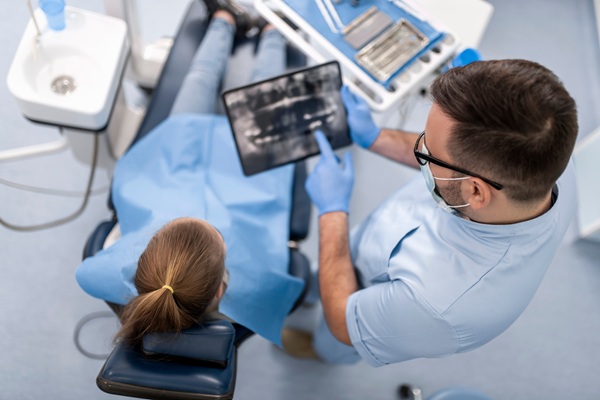
A dental bone graft is a critical procedure used to build up or restore the bone in areas where it has been lost or damaged, often as a result of tooth loss, injury, or infection. The success of dental implants relies heavily on the quality and quantity of the jawbone, which provides a stable foundation for placement. When there is insufficient bone to support a dental implant, a dental bone graft can help restore the bone structure, allowing for proper healing and the long-term success of the implant.
What is a dental bone graft?
A dental bone graft is a surgical procedure where bone material a dental provider places bone material in areas of the jawbone that have experienced significant bone loss. This material helps promote new bone growth, ultimately strengthening the area and making it suitable for dental implants. There are different types of bone grafts used in dental procedures, including autografts, allografts, xenografts, and synthetic bone substitutes.
Dental providers typically use bone grafts when there is insufficient bone mass to support dental implants, a permanent, screw-like replacement for missing teeth. This can occur due to a variety of factors, including advanced periodontal disease, trauma to the jaw, or long-term tooth loss, which naturally leads to bone resorption. When the bone has deteriorated, a dental bone graft is often necessary to rebuild the bone's volume before an implant can be placed.
Why is a dental bone graft necessary for implant success?
The success of dental implants depends largely on the ability of the bone to fuse with the implant in a process called osseointegration. If there is not enough healthy bone in the area of implantation, the implant may fail to integrate properly, leading to complications such as implant loosening or failure. A dental bone graft creates the necessary foundation by restoring bone density and volume, ensuring that the implant has a solid base for stability.
In addition to providing a stable foundation, dental bone grafts also help preserve the natural shape of the jaw. When bone loss occurs, the jaw may become recessed, which can affect the appearance of the face and smile. By restoring the bone with a graft, both function and aesthetics can be improved, allowing the implant to blend seamlessly with the surrounding teeth.
Types of dental bone grafts
As mentioned, there are several types of dental bone grafts a provider will consider. The choice of graft depends on the extent of bone loss, the location of the future implant, and the patient's overall health. The grafts are as follows:
Autografts
This type of dental bone graft involves harvesting bone from elsewhere in the patient's body, often from the hip, shin, or mouth. Autografts are considered the gold standard for bone grafting due to their ability to integrate well with existing bone and the lower risk of rejection.
Allografts
Allografts involve using bone from a human donor, typically sourced from a bone bank. This option eliminates the need for a second surgical site and provides a reliable, biocompatible solution for patients who may not have sufficient donor bone available for an autograft.
Synthetic bone grafts
Synthetic or alloplastic bone grafts comprise artificial materials designed to mimic natural human bone. These materials are biocompatible and promote new bone growth without the need for donor material.
Xenografts
Xenografts use bone from an animal source, usually bovine (cow). These dental bone grafts are treated and processed to be safe for human use and provide a structure that encourages new bone formation.
Each of these options comes with its benefits, and the choice of graft material is typically made after a thorough evaluation by a dental provider, such as a dentist or oral surgeon. The goal is to ensure the graft integrates well and promotes optimal bone healing.
What to expect after a dental bone graft
After a dental bone graft, patients may experience some discomfort, swelling, and bruising around the surgical site, which are normal side effects. The provider may prescribe pain medication and antibiotics to manage discomfort and prevent infection. It is essential to avoid putting pressure on the grafted area during the healing period, as this can affect the success of the graft. Once the graft has fully healed and integrated with the surrounding bone, which typically takes several weeks, the provider can begin the process of placing the dental implants, provided the patient meets all other requirements.
Schedule an appointment
A dental bone graft is a crucial procedure for patients with significant bone loss who are seeking dental implants. Have you noticed some bone resorption after losing a tooth or being denied dental implants due to the same condition? Contact our office to schedule an appointment and determine if a dental bone graft is right for you.
Request an appointment here: https://implantfamilydentist.com or call Miami Implant & Family Dentists at (305) 230-4040 for an appointment in our Miami office.
Check out what others are saying about our dental services on Yelp: Bone Graft in Miami, FL.
Recent Posts
Bone graft for dental implants can strengthen the jaw and create the support needed for long-term implant success, especially when bone loss has already occurred. Bone loss may occur after unaddressed tooth loss or advanced gum disease. When the jaw lacks sufficient height or width to support an implant, the dentist may recommend grafting to…
Dental implants provide a long-term solution for those missing teeth, improving oral health and function. However, patients should learn as much as possible before the procedure to ensure the most effective treatment outcome. Asking the right questions during a consultation can help you make informed decisions about your oral health. Here are five essential questions…
Dental implants can provide a long-lasting solution for tooth loss. Many people choose this option because it looks and feels natural. Understanding the purpose of dental implants and how they work is key to helping you decide if dental implants are right for you.Dental implants are small titanium posts placed into the jawbone to replace…
Not only does replacing missing teeth restore the smile’s appearance, but it also enhances oral health and helps preserve the jawbone. Dental implants are a reliable, durable solution for patients who require multiple tooth replacements, as they provide stability and a natural look and feel. There is more than one implant option available, with each…