Partial dentures are one of the most cost-friendly and effective options for replacing missing teeth. They can either be removable or fixed dentures. This is a guide on what partial dentures are, their benefits, and how to care for them.
Partial dentures
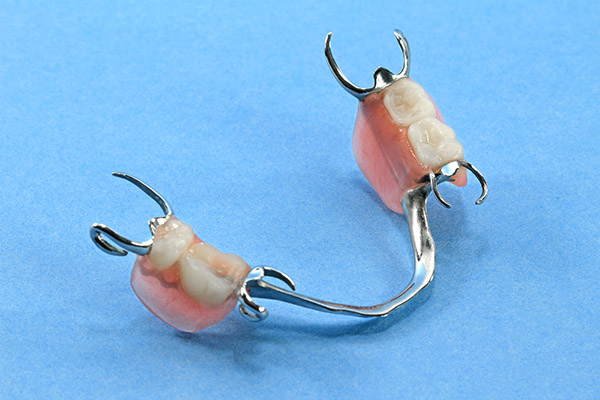
Partial dentures, commonly known as partials, are artificial replacement teeth that replace a patient's missing teeth. Partial dentures are used to replace one or more lost teeth in the upper or lower jaw. Full dentures replace the whole set of teeth. Partial dentures can be removable or fixed. Partially removable dentures are the most common type used as one of the options for replacing missing teeth. False teeth, a gum-colored foundation, and metal or plastic clasps make up removable partial dentures.
The benefits of partial dentures
Partial dentures are comparatively less expensive than other options for replacing missing teeth. Also, they are better to replace a single tooth or a few teeth. Removable partial dentures are less intrusive and less expensive than alternative tooth replacement treatments for people with numerous missing teeth. In addition, they can carefully restore your smile and fill in any gaps in your smile. You could even be a candidate for same-day dentures, which means you won't have to wait as long for your dentures to be put.
If some natural teeth can be retained, partials are a far better alternative than a complete denture set. In addition, a removable full lower denture is difficult for most people to adjust to.
Partial dentures might also help to keep your remaining teeth healthy. For example, they can help prevent the remaining teeth from moving and weakening and overuse one side of the mouth, otherwise leading to wear and injury.
Care for partial dentures
It's a good idea to clean a partial denture while standing over a folded towel or a sink of water, for a backup, in case you drop it. Toothpaste should not be used to clean dentures since it is too abrasive. Your dentist can go over the options for how to clean your dentures and which products you should use.
However, most home cleansers are too abrasive for cleaning dentures and should not be used. Instead, every day, brush the denture to eliminate food deposits and plaque. This keeps the denture from staining permanently.
Because it contains bristles tailored to suit the contour of the denture, it's better to use a brush made for cleaning dentures. A standard, soft-bristled toothbrush can also be used. Rinse your dentures properly to remove any food particles. Apply the denture cleanser to the wet brush. To prevent harming the plastic or bending the attachments, gently brush all denture surfaces.
If a denture is not maintained wet, it may lose its form. The denture should be soaked in a saturated solution or water at night. Rinse the denture properly before putting it in your mouth.
Recent Posts
Implant overdentures may be the best investment when it comes to options for replacing missing teeth. Although you have many options for replacing missing teeth, implant overdentures may be the right option for you. Implant overdentures are known as “snap-on dentures” because the denture connects to the implant via a snap assembly in which a…
Full mouth dental implants are a preferred option for replacing missing teeth teeth rather than getting dentures. Due to advancements in dental technology, it is now possible to replace all your teeth throughout your entire mouth with dental implants. Dental implants are an option that allows you to eat comfortably and smile with confidence. They…
The dentist uses dentures as options for replacing missing teeth in the mouth, correcting aesthetic problems, and allowing you to talk and eat normally. On average, they last up to five years, but they require proper cleaning and maintenance. There are many ways to keep them looking and functionining properly.People often ask the dentist about…