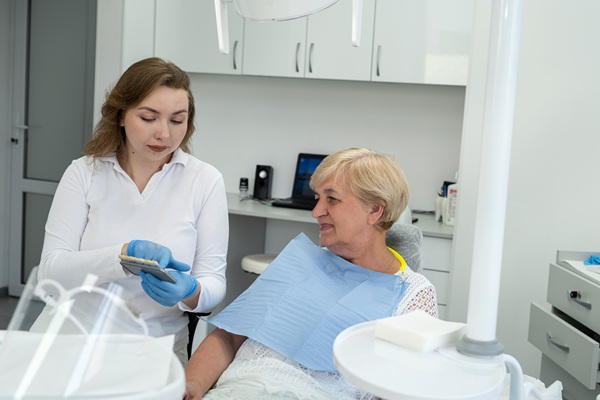
Dental issues can impact confidence, health, and overall well-being. Fortunately, modern dentistry offers a transformative solution: teeth in a day. This procedure offers patients an option to fully restore the function and appearance of their smile in a single appointment, removing the need for multiple visits over several months. With advancements in dental implant technology, it is now possible for dentists to replace missing or damaged teeth as efficiently as possible.
Understanding teeth in a day
Teeth in a day is a procedure that allows patients to receive dental implants and a fully functional set of teeth within a single appointment. Unlike traditional implants, which require a prolonged healing period before placing permanent restorations, this technique uses immediate-load implants. These implants provide stability, allowing the dentist to place a temporary yet fully functional set of prosthetic teeth on the same day as the procedure.
This approach is particularly beneficial for individuals with multiple missing teeth, severe decay, or those who require full-mouth rehabilitation. The process involves careful planning using digital imaging and 3D scans to ensure precise implant placement. Patients leave the dental office with a brand-new smile, avoiding the long waiting periods associated with conventional dental implant treatment.
Benefits of teeth in a day
This procedure offers numerous advantages over traditional dental restorations. Some commonly cited benefits of teeth in a day include:
- Immediate results: Patients walk out with a restored smile in a single visit.
- Improved confidence: Restored teeth can help improve the patient's self-esteem and social interactions.
- Enhanced oral function: After implant placement, eating, speaking, and general oral health significantly improve.
- Bone preservation: Implants stimulate the jawbone, preventing bone loss.
- Minimal downtime: The streamlined process allows for a quicker recovery compared to conventional implant methods.
Ideal candidates for teeth in a day
This treatment is ideal for individuals experiencing extensive tooth loss, severe dental decay, or needing to restore full arches of their teeth. The patients will typically have adequate bone density to support implants. However, the teeth in a day technique may allow those who have experienced some bone loss to qualify for this treatment. A thorough dental evaluation determines candidacy and ensures optimal results.
The teeth in a day treatment process
Examination and consultation
The process begins with a thorough examination. The dentist will likely also order X-rays and digital scans to assess the patient's oral health and bone structure. Based on this evaluation, the dentist will create a personalized treatment plan to determine the best placement of dental implants.
Implant and temporary restoration placement
If the patient has any remaining unhealthy or severely damaged teeth, the dentist will perform extractions to remove them. This step creates the necessary space to strategically place dental implants into the patient's jawbone, providing a solid foundation for future restoration, such as crowns, bridges, or dentures.
Additionally, the dentist may use advanced techniques, such as angled implants, which can enhance the support from the surrounding bone structure. These techniques optimize bone density and reduce the likelihood of bone grafts, thus streamlining the overall treatment planning and recovery process.
Following the implant placement, the dentist will place a temporary restoration on the dental implants. This temporary restoration improves the appearance of the patient's smile and allows them to use their teeth while they heal. It also helps their smile look natural during the healing process.
Osseointegration and final restoration
Over the next several months, the dental implants undergo a crucial process known as osseointegration. During this phase, the implant's titanium post fuses with the surrounding jawbone, creating a strong and stable foundation for the replacement teeth. This biological integration typically takes three to six months, during which the patient may be monitored through follow-up appointments to assess healing and ensure proper alignment.
Once the osseointegration process is complete, the permanent prosthesis, which is tailored to match the patient's bite and preferences, fits the implants. This final restoration improves the patient's smile while ensuring long-term durability and comfort. Additionally, it allows them to maintain normal function in chewing and speaking.
Aftercare and long-term maintenance
Following the procedure, proper care is essential to maintain oral health and implant longevity. Key aftercare guidelines include:
- Adhering to soft food recommendations during the initial healing phase, such as yogurt, mashed potatoes, and steamed vegetables
- Maintaining excellent oral hygiene through regular brushing and flossing
- Attending scheduled follow-up appointments for professional monitoring
- Avoiding habits that can impact implant stability, such as smoking or excessive teeth grinding
For long-term success, it is important for patients to consistently care for their dental health and get regular professional cleanings. This helps keep their implants and surrounding tissues healthy.
Transform your smile with teeth in a day
Teeth in a day offers a groundbreaking solution for those seeking an immediate and lasting dental restoration. Miami Implant & Family Dentists offers teeth in a day in the Miami area. Call our office to schedule a consultation and begin the journey of transforming your smile.
Request an appointment here: https://implantfamilydentist.com or call Miami Implant & Family Dentists at (305) 230-4040 for an appointment in our Miami office.
Check out what others are saying about our dental services on Yelp: Teeth In a Day in Miami, FL.
Recent Posts
Composite fillings are among the most commonly used materials for restoring teeth affected by cavities or minor damage. These dental fillings repair damaged teeth and restore their function and appearance. While there are several types of fillings besides composite ones, patients may be unsure which one is right for them. Fortunately, a dentist can help.Composite…
While Invisalign® is an effective alternative to braces, it may not be the ideal treatment for everyone. The candidacy process happens in one appointment, involving X-rays, a physical examination, and a review of the patient's dental records. Here is a closer look at the factors we consider when choosing an ideal candidate.While we strongly advise…
Invisalign® is one of the most revolutionary orthodontic treatments available. This option serves as a clear, discreet way to correct dental misalignments. Invisalign aligners are customized to fit the teeth and are a lot less intrusive compared to conventional braces. The subtlety and convenience of Invisalign have made it a popular choice, particularly for adults…
Invisalign® is probably the most well-known brand name for clear aligners. Their popularity is due to their ability to straighten teeth flexibly and discreetly and to their SmartTrack™ material, which can move teeth comfortably and accurately. Patients interested in Invisalign need to consider the benefits and if they are candidates.Invisalign is a highly recognizable brand…