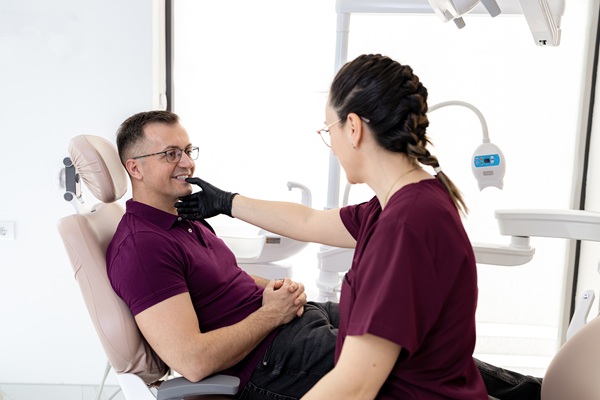
Many people want to spot problems early so cavity treatment can stay simple, comfortable, and affordable. Tooth decay starts when mouth bacteria feed on sugars and make acids that soften the hard enamel layer. Over time, those acids can erode enamel and reach into the softer tooth layers beneath. Acting early prevents long-lasting tooth pain and helps your smile look and feel its best.
How cavities start and why treatment timing matters
Plaque is a sticky film that forms on teeth every day. When snacking and sipping are frequent, plaque bacteria produce more acid that keeps it on the enamel longer. Early damage shows up as white or chalky spots.
At this stage, fluoride, sealants, and small habit changes often stop the process in its tracks. If decay extends deeper, a cosmetic, family, or general dentist can use cavity treatment to remove the softened area and rebuild the tooth. This quick care keeps the problem small and lowers the chance of nerve irritation or a broken tooth later.
Early signs you may need cavity treatment
Cavities do not always hurt in the beginning. Watch for signs that point to early decay, especially in hard-to-clean spots. Make an appointment with a cosmetic, family, or general dentist if you notice any of these changes:
- Sensitivity to cold, sweets, or sour foods that lingers after the food or drink is gone
- Rough, chalky, or sticky spots that catch floss or the tongue
- Brown or dark areas that do not brush away
- Sharp twinges when biting on a certain area
- Bad breath or a strange taste that sticks around despite daily brushing
These signs do not always indicate a cavity. They may point to issues such as excessive tartar buildup, which precedes a cavity. A prompt visit allows the dentist to thoroughly examine and plan the right treatment before the problem develops or worsens.
What the exam includes
A careful exam allows the dentist to look at teeth from multiple angles. The dentist uses tools to reveal early color and texture changes, while gently testing and probing for soft spots or areas that catch. Some offices also use special dyes or laser tools to highlight weak areas. If decay is suspected, bitewing X-rays show decay between teeth and estimate its depth. All of this is done in the same appointment. The dentist will explain the findings and, if needed, recommend a cavity treatment that fits the size, spot, and risk level of the problem.
How cavity treatment works
Every cavity is different, and not all need drilling to treat. If the tooth surface is mostly intact, the cosmetic, family, or general dentist can often treat the cavity without drilling or numbing injections. They can remove the decayed section painlessly and fill it with composite resin.
However, drilling may be necessary when decay reaches into the inner layers of the tooth. For these cases, the dentist will use a local anesthetic to numb the area for patient comfort. They will then remove the soft area and clean the site before filling it.
Patients have several filling options. Tooth-colored composite fillings are the most common because they blend with natural enamel and restore strength for small to medium cavities. Silver amalgam and gold can also restore the tooth, but they do not blend with the rest of the smile.
For larger cavities, a dental inlay or onlay (often ceramic) may be recommended over a filling to preserve healthy tooth structure. Moreover, if the decay was extensive, a dental crown will likely be the most effective cavity treatment. The dentist considers the look, strength, and wear on the affected tooth before recommending a cavity treatment.
What to expect after cavity treatment
Mild temperature sensitivity can appear after most cavity treatments. Thankfully, this sensitivity usually fades within a day or two. Chew gently with the untreated side of the mouth, taking care to notice how the tooth feels as it heals.
Typically, after minor cavity treatments, patients return to their normal activities the same day. It can help to take the rest of the day off for moderate to severe cavities, though. Rest helps the body heal and can reduce inflammation, promoting recovery. Over-the-counter pain medication can help manage any temporary discomfort, as well.
Schedule an appointment for cavity treatment
If sensitivity lingers, floss catches, or food traps between specific teeth, schedule an exam and ask about a personalized plan for cavity treatment. Early checks mean simpler options, greater comfort, and stronger oral health. Contact {{DBA}} for an appointment.
Request an appointment here: https://implantfamilydentist.com or call Miami Implant & Family Dentists at (305) 230-4040 for an appointment in our Miami office.
Check out what others are saying about our services on Yelp: Cavity Treatment in Miami, FL.
Recent Posts
Curious about your available options for cosmetic dental services? Read on to learn more. If you are a patient who is not entirely satisfied with your smile, you may be looking into options to restore your teeth or gums. Cosmetic dental services and restorative dentistry are likely two options you have encountered so far. While…
Acting quickly by consulting an emergency dentist when facing the signs of dental implant rejection helps to protect the jawbone and surrounding teeth. While implants offer a permanent, high-success solution for missing teeth, the body occasionally struggles to integrate the titanium post with the natural bone. This complication requires immediate attention to halt the spread…
Cosmetic dental services can give you a more attractive smile. Each treatment can transform the way you look. But with your enhanced appearance comes even more. It is crucial to understand how cosmetic dental services enhance more than your looks.Many dental problems prevent patients from socializing, which lowers self-esteem and leads to increased isolation. Cosmetic…
You can ask about three key cosmetic dental services during the consultation. The general dentist will explain each process in detail. Asking relevant questions about them can help prepare you for your upcoming treatment. Comparing each of these cosmetic dental services will help prepare you for your procedure.Research shows that dental staining is a common…