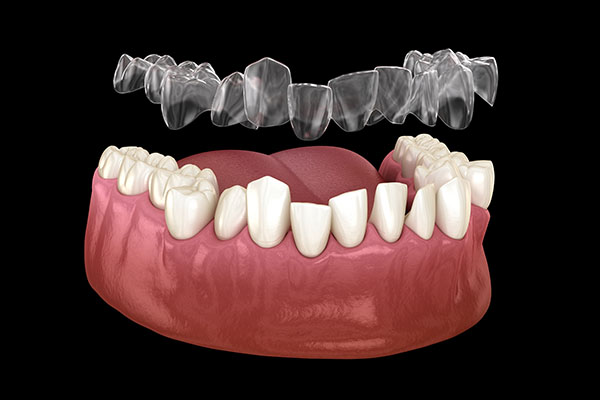
Tooth Replacement Roadmap: Comparing Implants, Bridges, and Prosthetics
Tooth replacement restores bite function, smile appearance, and patient confidence. However, there is more than one option to choose from. Exploring the different options — dental implants, bridges, and prosthetics — can help you determine which would benefit you the most.
Why do you need to replace teeth?
Decay, trauma, or periodontal disease, among others, can lead to tooth loss. Regardless of the cause, replacing missing teeth is crucial not only for aesthetics but also for long-term oral health. Issues can occur even with a single missing tooth. For example, the surrounding teeth can begin to shift out of alignment, potentially leading to bite issues, uneven wear, and jaw joint discomfort. Missing teeth can also affect speech clarity and chewing ability, resulting in dietary limitations or nutritional concerns.
The bone that once supported a natural tooth can also begin to deteriorate over time due to a lack of stimulation, particularly in the jaw. This process, known as bone resorption, may change how the face looks. Often, it creates a sunken appearance around the mouth and cheeks. Restoring the space with a stable and properly placed tooth replacement can help maintain oral function, support facial contours, and contribute to a more positive self-image.
Finding the right tooth replacement
A dental professional can help patients find the right tooth replacement for their needs, as there is no one-size-fits-all solution. From the number of missing teeth to the patient’s health history, many factors influence which option is the most appropriate one. Thus, a dental professional may offer several proven solutions, each designed to restore both the form and function of the smile.
Among the most common tooth replacements are dental implants, bridges, and removable prosthetics. Each has unique features, benefits, and considerations. Here is a closer look at each:
Dental implants
Dental implants are the gold standard in tooth replacement due to their durability, natural look, and ability to preserve jawbone health. An implant is a small titanium post surgically placed into the jawbone to function as an artificial tooth root. After it integrates with the bone, a dental professional attaches a custom crown to complete the tooth replacement.
Implants can replace a single missing tooth or serve as anchors for larger restorations such as bridges or permanent dentures. Due to being embedded in the jaw, dental implants provide excellent stability and mimic the function of natural teeth. This helps preserve bone density and prevents the shifting of adjacent teeth. Implants are also easy to care for; they have the same oral hygiene routine as natural teeth.
Dental bridges
Dental bridges offer a dependable way to replace one or more missing teeth, especially when the missing tooth leaves a gap between two healthy teeth. A traditional bridge works by placing crowns on the natural teeth next to the gap, which then supports one or more artificial teeth in between. This setup helps restore the look and function of a natural smile.
Bridges are a great choice for patients who have strong surrounding teeth, are not candidates for surgical procedures, or want a quicker alternative to dental implants. Treatment can usually be completed in just a few visits. Dental professionals use materials like ceramic to match the surrounding teeth for a natural appearance.
That said, getting a bridge involves reshaping the adjacent healthy teeth to fit the crowns, which some patients may want to avoid. It is also important to note that bridges do not stimulate the jawbone where the tooth is missing, so some bone loss may happen over time. Even so, with good oral care and regular dental visits, a bridge can last for many years and provide a strong, lasting tooth replacement.
Dental prosthetics
Removable prosthetics, often referred to as partial or full dentures, are a versatile and non-invasive way to replace multiple or all missing teeth. A partial denture fills in gaps for patients who still retain some of their natural teeth, while full dentures replace an entire arch.
Modern dentures are more comfortable and natural-looking than ever, with materials designed to closely mimic natural gum tissue and teeth. They are custom-fabricated for a secure fit and improved functionality. For enhanced stability, some patients may choose implant-supported dentures, which use dental implants as anchors to prevent slippage and improve chewing efficiency.
One of the primary benefits of removable prosthetics is accessibility. These options are generally more affordable and do not require surgery, although there is usually an adjustment period to wearing them. Further, the jawbone will not be stimulated as it would with dental implants, so the dentures will need to be adjusted as the jaw changes.
Need help choosing the right tooth replacement?
There are many options for replacing missing teeth. A dentist can discuss your options in further detail during an appointment. Contact Miami Implant & Family Dentists to take the first step toward a fuller smile.
Request an appointment here: https://implantfamilydentist.com or call Miami Implant & Family Dentists at (305) 230-4040 for an appointment in our Miami office.
Check out what others are saying about our dental services on Yelp: Tooth Replacement in Miami, FL.
Recent Posts
Implant overdentures may be the best investment when it comes to options for replacing missing teeth. Although you have many options for replacing missing teeth, implant overdentures may be the right option for you. Implant overdentures are known as “snap-on dentures” because the denture connects to the implant via a snap assembly in which a…
Full mouth dental implants are a preferred option for replacing missing teeth teeth rather than getting dentures. Due to advancements in dental technology, it is now possible to replace all your teeth throughout your entire mouth with dental implants. Dental implants are an option that allows you to eat comfortably and smile with confidence. They…
The dentist uses dentures as options for replacing missing teeth in the mouth, correcting aesthetic problems, and allowing you to talk and eat normally. On average, they last up to five years, but they require proper cleaning and maintenance. There are many ways to keep them looking and functionining properly.People often ask the dentist about…
Looking into options for replacing missing teeth? Read on to learn more about available tooth-replacement options. Replacing missing teeth is one of the most common reasons patients seek a complete mouth restoration. There are many treatment choices available, and it is recommended that you learn about each one before choosing. Throughout the planning phase, the…